The Ultimate Guide to D&D Character Names
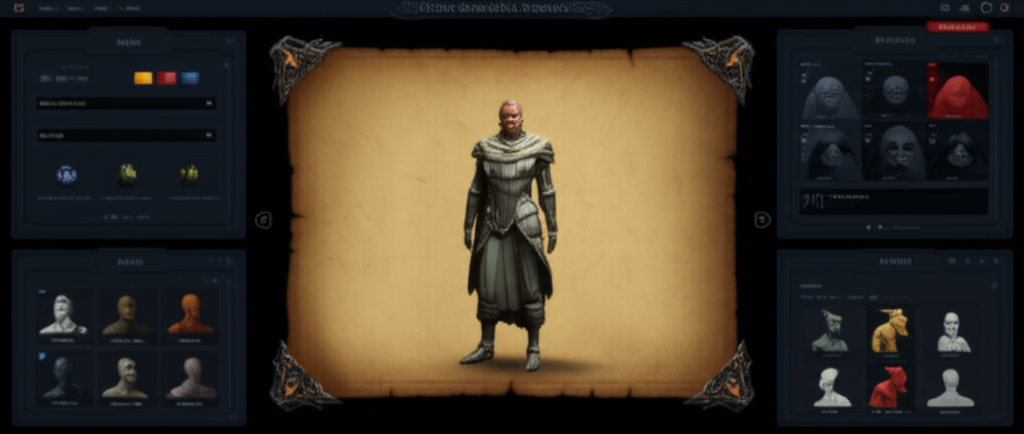
Creating the perfect name for your Dungeons & Dragons character is one of the most important steps in character creation. A well-chosen name can set the tone for your entire campaign experience, help you get into character, and make a lasting impression on your fellow players.
Why Character Names Matter
Your character's name is often the first thing other players learn about them. A name like "Thorin Ironforge" immediately conjures images of a sturdy dwarf with ties to smithing, while "Whisper Shadowmend" suggests something entirely different. The right name can:
Naming Conventions by Race
Elven Names
Elven names tend to be melodic and flowing, with soft consonants and open vowels. Names like Aelar, Caelynn, and Galinndan capture the ethereal nature of elven culture. Many elven names have meanings in Elvish, adding depth to your character.
Dwarven Names
Dwarven names are typically short, strong, and guttural. They often include hard consonants like K, D, and T. Clan names are equally important in dwarven culture, with names like Battlehammer, Fireforge, and Ironfist reflecting the clan's history and specialties.
Human Names
Human names in D&D draw from a wide variety of cultural inspirations. Since humans are the most diverse race in most campaign settings, you have incredible freedom in naming. Consider the region your character comes from and what real-world culture it might resemble.
Tiefling Names
Tieflings often bear either infernal names reflecting their fiendish heritage or virtue names that represent ideals they strive toward. Names like Mordai or Nemeia carry infernal weight, while names like Hope, Glory, and Excellence represent chosen identities.
Tips for Creating Great Names
Common Mistakes to Avoid
The best D&D character names feel authentic to the world while still being memorable and fun to say at the gaming table.